Why Choose a Switching Power Supply for Your Electronics Needs?
In today's fast-paced technological world, choosing the right power supply is crucial for electronic devices. A Switching Power Supply stands out among various options. It offers high efficiency and compact designs. It converts electrical energy with minimal waste, ensuring devices run smoothly.
When selecting power supplies, people often overlook the importance of efficiency. Switching Power Supplies provide power conversion with lower heat generation. This feature is vital in device longevity. Moreover, their lightweight nature allows for more flexible designs. These advantages attract manufacturers and designers seeking optimal solutions.
However, not all Switching Power Supplies are created equal. Quality can vary significantly, affecting performance and reliability. Some may find the complexity daunting, especially those new to electronics. Despite these challenges, the benefits of using a Switching Power Supply are evident. Embracing this technology can lead to smarter, more efficient devices.
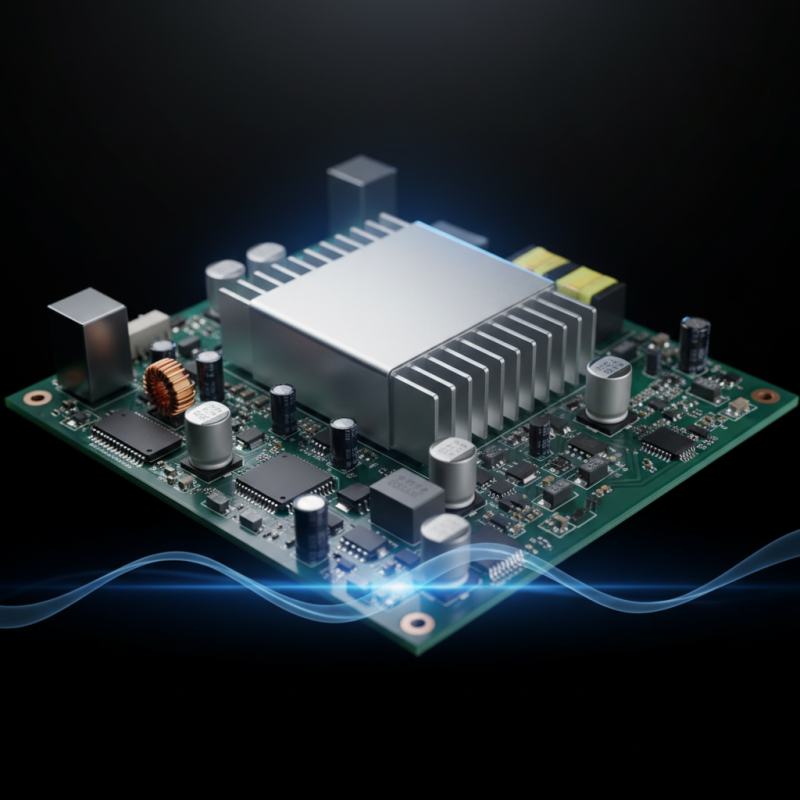
Benefits of Switching Power Supplies Over Linear Alternatives
Switching power supplies have gained popularity for various electronics applications. Their efficiency is a primary benefit. Unlike linear power supplies, which waste energy as heat, switching models convert power more effectively. This efficiency leads to less heat generation, allowing for smaller cooling solutions. These compact setups can save space in crowded electronic designs.
Another advantage lies in their versatility. Switching power supplies can easily support a wide range of input voltages. This characteristic makes them suitable for global markets, where voltage standards vary. They also provide stable output across a range of loads. However, these power supplies can introduce noise in the output. It is important to consider this when designing sensitive applications.
Reliability is another factor. Switching supplies tend to have a longer lifespan compared to their linear counterparts. They are generally more robust under varying conditions. Yet, their complexity may pose a challenge. Designing efficient filtering and protection circuits is essential. Balancing efficiency with functionality requires careful thought. This can make the design process more labor-intensive. But the end result is often worth the extra effort.
Key Features of Switching Power Supplies for Modern Electronics
Switching power supplies are becoming a go-to solution for many electronic devices. They efficiently convert AC to DC power, ensuring devices run smoothly. These supplies use components like transistors and capacitors. This design allows them to be lighter and smaller than linear power supplies.
One standout feature of switching power supplies is their high efficiency. They can often exceed 90%, minimizing energy waste. This is crucial for battery-operated devices. Better efficiency leads to longer battery life. High frequency operation reduces the size of the magnetic components. Smaller components save space in electronic designs.
**Tips:** When choosing a power supply, consider the voltage range. Ensure it matches your devices. Check for thermal management features. Overheating can be a common issue. Proper cooling extends the lifespan. Look for supplies with overload protection. They safeguard against excessive current, protecting your electronics.
Remember, not all switching supplies are alike. Some may introduce electrical noise, affecting sensitive circuits. It's worth testing different models to find the best fit. Be prepared to experiment and adjust according to your needs.
Why Choose a Switching Power Supply for Your Electronics Needs? - Key Features of Switching Power Supplies for Modern Electronics
| Feature | Description | Benefit |
| High Efficiency | Typically 80% to 95% efficiency in converting power | Reduced energy loss, lower heat generation |
| Compact Size | Smaller form factor compared to linear power supplies | Easier integration into space-constrained applications |
| Wide Input Voltage Range | Can operate with various input voltages (e.g., 100-240V AC) | Flexibility for global applications |
| Low Ripple and Noise | Regulated output with minimal voltage fluctuations | Stable performance for sensitive electronics |
| Overcurrent Protection | Built-in protection against overload situations | Increases reliability and safety of devices |
Common Applications for Switching Power Supplies in Various Industries
Switching power supplies are widely used across various industries. They provide efficient energy conversion, making them ideal for applications where space and weight are crucial. In consumer electronics, they power smartphones, laptops, and gaming devices. These supplies are compact and lightweight, allowing manufacturers to create sleek designs. However, some may overlook noise reduction in these power systems, which can affect device performance.
In industrial settings, switching power supplies play a vital role. They are essential for robotics and automation systems. Their ability to deliver consistent power supports precision machinery. Yet, it’s important to remember that durability can vary. Users should choose supplies that can withstand harsh conditions, as reliability is crucial for uptime.
Healthcare applications also benefit from switching power supplies. They power critical equipment such as imaging devices and patient monitors. High efficiency and low heat generation are key advantages here. But a common oversight is failing to heed safety standards. It’s vital that these systems meet regulatory requirements to ensure patient safety.
Common Applications for Switching Power Supplies in Various Industries
Factors to Consider When Selecting a Switching Power Supply
When selecting a switching power supply, several critical factors must be evaluated. Efficiency is paramount. According to a report by the Department of Energy, switching power supplies can achieve efficiencies of 85% to 95%. This can significantly lower energy costs and reduce heat output. However, achieving such efficiency may require careful selection and testing. Not all available models meet the same standards.
Next, consider the load requirement. Gain insights from the IEEE standards for power supplies, which emphasize understanding your device's voltage and current needs. If a power supply is over-rated, it can lead to wasteful energy consumption. Conversely, under-rating can result in failure. The balance here is crucial and often overlooked, leading to devices that may not perform well.
Additionally, thermal management cannot be ignored. High temperatures can affect performance and reliability. A study revealed that excessive heat can shorten product lifespans by up to 50%. Therefore, implement adequate cooling solutions. A design that lacks this can create problems down the line. Your choice today impacts longevity and efficiency.
Safety and Regulatory Standards for Switching Power Supplies
When choosing a switching power supply, safety and regulatory standards are essential. These standards ensure that devices operate safely and efficiently. Different countries have different regulations. Knowing these is crucial for compliance. Failure to meet them can lead to safety hazards or legal issues.
Tips: Always check the specific standards for your region. Look into UL, CE, or FCC certifications. These labels indicate compliance and reliability.
Switching power supplies must undergo rigorous testing. This includes overload, short-circuit, and thermal performance tests. Meeting these criteria can be challenging, but it is vital for ensuring long-term durability. Some manufacturers cut corners on testing, which can compromise safety.
Tips: Research manufacturers’ testing processes. Ensure they are transparent about their safety measures. Don't shy away from asking questions if needed.