Why Choose Magnet Zippers for Global Sourcing?
Why Choose Magnet Zippers for Global Sourcing?
Global sourcing teams increasingly examine Magnet Zippers for practical reasons. These closures can support faster assembly, easier handling, and a cleaner product experience. In a busy factory, a zipper that aligns with light magnetic guidance may reduce repeated adjustments. That small detail matters when workers handle hundreds of units daily.
However, convenience alone is not enough. Experienced buyers should review magnetic strength, tape quality, slider movement, wash resistance, and abrasion performance. Samples should be tested on the finished product, not only on a loose zipper strip. A travel bag, jacket, or medical garment may place different pressures on the closure. Supplier communication also matters. Clear drawings, approved samples, inspection records, and traceable material information reduce avoidable sourcing errors. Reliable manufacturers should explain their testing methods and provide consistent batch control.
The choice is not universal. Some designs may need stronger mechanical security, lower cost, or special compatibility with production equipment. Magnetic components may also require careful evaluation near sensitive devices or product-specific detection systems. These concerns should not be ignored. A thoughtful sourcing decision compares performance, price, compliance documentation, lead time, and after-sales support. It also considers local market expectations and applicable product requirements. Results can vary.
For this reason, buyers should begin with a controlled trial and measurable acceptance criteria. Record opening force, alignment, cycle performance, and appearance after washing. Then review the findings with engineering and quality teams. Magnet Zippers can offer meaningful value, but only when their strengths match the product’s real use. That is where professional judgment becomes essential.
What Are Magnet Zippers and How Do They Work?
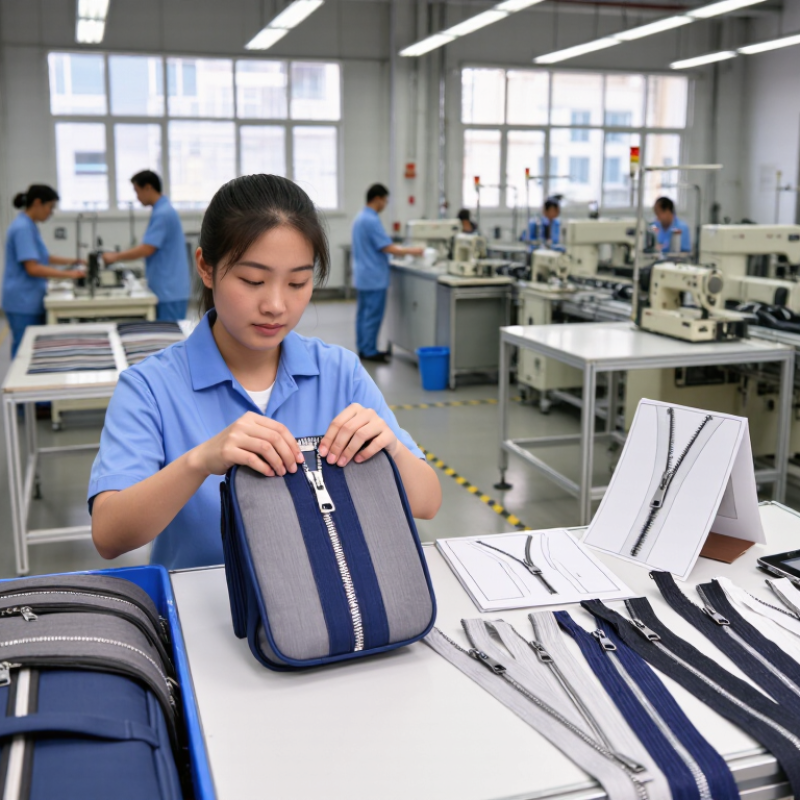
Magnet zippers combine ordinary zipper construction with small permanent magnets. The magnets sit near the tape edges, slider, or closing components. Their opposite poles attract and guide the two sides together. This makes alignment faster, especially when the user is wearing gloves or carrying a bag.
The mechanism is simple but carefully engineered. As the slider moves, magnetic force helps bring the zipper halves into position. Interlocking teeth or molded elements then create the closed line. The magnets do not replace every structural part. They support alignment and closing. In product sampling, I check pull strength, opening resistance, and edge alignment after repeated use. Small production changes can affect the result.
They are not perfect.
Strong magnets may increase bulk or add cost. Weak magnets may fail to align after washing, bending, or heavy loading. I have also found that fabric thickness changes the user experience more than expected. A zipper that feels smooth on a light jacket may feel stiff on a padded bag. Global sourcing teams should review magnet placement, material compatibility, wash testing, packaging, and applicable product requirements before bulk production. Clear samples and written test records help suppliers reproduce the intended performance.
Key Advantages of Magnet Zippers in Global Sourcing
Magnet zippers can simplify assembly for products that need quick, repeatable closure. In a sample room, a worker can bring the two sides together without carefully aligning a conventional slider. That small change may save handling time on bags, organizers, and selected garments. It feels intuitive. For sourcing teams, easier operation can also make product demonstrations clearer across markets.
The benefit depends on reliable specifications. Buyers should confirm magnet strength, zipper length, tape material, color, and opening force before approving production. Ask for samples from the intended factory and test them on the actual product, not just a loose zipper strip. Check repeated opening and closing, seam stability, and performance after washing when relevant. Magnets are not a fit for every design. Nearby components or use requirements may affect the choice, so technical review matters.
For global orders, a consistent specification sheet helps reduce avoidable differences between sample and shipment. It should identify tolerances and inspection points, including whether both sides close smoothly along the full length. Request clear records for material and batch changes. Lead times and costs can vary by construction and order size; confirm them early. One imperfect sample should prompt questions, not a rushed approval.
Material, Safety, and Compliance Considerations
Why Choose Magnet Zippers for Global Sourcing?
Material, Safety, and Compliance Considerations
Magnet zippers can improve one-handed opening and create a clean, secure closure. Their value depends on material control, not magnetic strength alone. Stainless steel, coated alloys, and polymer components should resist corrosion, staining, and repeated washing. Ask suppliers for material specifications, coating details, and batch traceability before approving samples. Small differences can affect durability.
Safety testing needs practical attention. Strong magnets may pinch fingers, damage nearby sensitive equipment, or detach from poorly sealed pockets. Children’s products require especially careful control of loose components and accessible magnets. Check pull strength, fatigue resistance, wash performance, and sharp-edge risks. Test finished garments, not only loose zipper parts. Real use is less tidy.
Compliance documents should match the exact product and production site. Request test reports, restricted-substance declarations, safety data, and inspection records from reliable laboratories. Requirements can vary by destination, product category, and customer age range. A certificate from one material batch may not cover a later batch. That gap is easy to miss. Review documents regularly, verify sample labels, and keep approval records organized. No process is perfect; even experienced teams can overlook packaging, accessories, or a supplier change. Careful follow-up reduces surprises during customs checks, factory inspections, and customer testing.
Why Choose Magnet Zippers for Global Sourcing?
EU REACH nickel-release limits for products that contain nickel and meet the relevant skin-contact conditions
EU REACH sets a limit of 0.5 μg/cm²/week for articles intended to come into direct and prolonged contact with the skin, and 0.2 μg/cm²/week for post assemblies inserted into pierced parts of the body. These limits apply when the relevant conditions are met; assess the finished zipper components and intended use. Magnetic closures do not remove the need to check material safety and market-specific compliance.
How to Select a Reliable Magnet Zipper Supplier
Why Choose Magnet Zippers for Global Sourcing?
How to Select a Reliable Magnet Zipper Supplier
Magnet zippers offer fast closure, clean lines, and easy handling in apparel, bags, and home textiles. Reliable sourcing begins beyond a low quotation. In production, I have seen attractive samples fail after repeated opening. A qualified supplier should explain magnet strength, tape construction, slider performance, and size tolerances. Ask for samples made with your actual fabric. Small differences matter. Test them repeatedly.
Review the supplier’s manufacturing experience, quality system, and traceability records. Request material specifications, inspection reports, and batch identification. The supplier should also explain coating durability and applicable product requirements in your destination market. Ask about production capacity, lead times, minimum order quantities, and corrective action procedures. A live factory video can reveal useful details, including storage conditions and packing methods. Clear answers are important.
Run practical tests before approving a bulk order. Check repeated opening, pull strength, washing, bending, and appearance after handling. Record failures, not only successful results. A pilot order can expose problems in alignment, magnet placement, or color consistency. One weakness in my own sourcing process was trusting polished samples too quickly. I now compare several batches and keep written test records. A dependable supplier accepts questions, reports limitations honestly, and responds with measurable improvements.