What Are the Top Types of LED Fixtures?

LED lighting is often discussed as if one product can solve every room. It cannot. A Led Fixture combines a light source, housing, and optical design to direct light where it is needed. That design affects brightness, glare, heat management, and installation. A recessed downlight can provide a clean ceiling line, while a flat panel spreads even light across an office or classroom. Different spaces need different tools.

This guide explores common fixture types, including LED tubes, high-bay lights, floodlights, track lights, and linear strip fixtures. Each serves a distinct purpose. High bays suit tall ceilings; floodlights cover outdoor areas; track heads let users aim light at displays or work surfaces. LED tubes can replace older fluorescent formats, but compatibility with existing drivers and wiring should be checked before purchase. Details matter.

Choosing well takes more than comparing wattage. Review lumen output, color temperature, beam angle, dimming compatibility, ingress protection, and expected operating conditions. A warm tone may feel comfortable in a lounge, while a cooler tone can help reveal detail in a workshop. Yet preferences vary, and product labels do not tell the whole story. Check manufacturer specifications and installation guidance, then consider a sample in the actual space. It may still look different than expected. The following sections compare fixture styles, practical applications, and selection factors so readers can make a grounded choice rather than rely on a single headline specification.
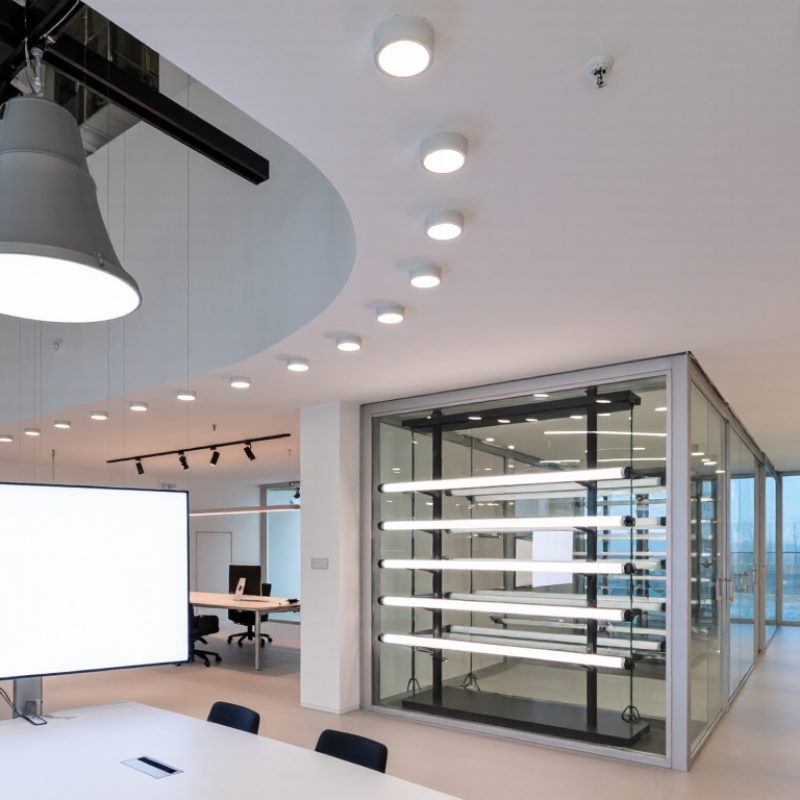
What Are the Top Types of LED Fixtures?

How LED Fixtures Are Classified

LED fixtures are best classified by where they are installed, how they mount, and how they distribute light. Application names provide a useful start: troffers and panels serve offices, downlights suit ceilings, and high-bay fixtures illuminate tall spaces. But names alone can mislead. Two fixtures called “high bay” may differ in beam angle, glare, and mounting height.

Photometric distribution offers a more technical classification. Roadway luminaires, for example, use IES distribution types I through V to describe how light spreads around a street or walkway. Outdoor fixtures can also be assessed using the IES Backlight, Uplight, and Glare (BUG) system. These labels help compare spill light and glare, though they do not replace checking actual photometric files. Look at the beam pattern on the floor, not just the product category.

DOE’s 2020 U.S. Lighting Market Characterization estimated that LEDs represented about 48% of installed lighting stock in the United States that year. That figure describes installed lighting, not a ranking of fixture types. For selection, also classify by environment and controls: damp locations, high ceilings, dimming, and occupancy sensing each change what works. A narrow beam may look efficient on paper, yet leave dark patches between shelves. That is easy to miss.

What Are the Top Types of LED Fixtures?

Common LED fixture categories can be compared by their typical beam-angle ranges. Angles vary by product and optical design.

Downlights and floodlights often use more directed beams, while panels and linear fixtures commonly provide broader light distribution. High-bay fixtures are available with a range of optics for different ceiling heights and layouts.

LED Panel Lights and Troffers for General Indoor Lighting

LED panel lights and troffers are common choices for general indoor lighting in offices, classrooms, clinics, and retail spaces. Panels spread light across a broad, diffusing surface, creating a clean ceiling appearance. Troffers sit within suspended ceiling grids and often use a recessed housing to direct light downward. Both can provide comfortable, even illumination when their output and placement suit the room.

Check the ceiling grid before choosing a fixture. Common panel sizes may not match every existing opening, and retrofit projects can require driver or wiring checks. Measure the room, note desk heights, and look for computer screens that might catch reflections. Glare matters. A bright fixture can feel harsh even when the room has plenty of light. Compare color temperature and color rendering, too; a neutral white may suit work areas, while accurate color rendering helps with reading charts or inspecting materials. Dimming can improve flexibility, but only when the fixture and control system are compatible.

Uniformity is useful, but it is not everything. A room with dark walls or tall shelving may still have uneven light, even with matching fixtures. That detail is easy to miss on a product sheet. Review a lighting layout and, where possible, assess a sample in the actual space before specifying quantities.

What Are the Top Types of LED Fixtures? - LED Panel Lights and Troffers for General Indoor Lighting

Fixture Type Typical Form and Sizes Common Indoor Applications Typical Mounting Typical Light Output Useful Selection Notes
LED Panel Light Flat, broad luminous surface; commonly 2 × 2 ft, 2 × 4 ft, or 1 × 4 ft. Offices, classrooms, healthcare spaces, and other areas needing even ambient lighting. Recessed in a suspended ceiling grid, surface-mounted, or suspended. Often about 3,000–6,000 lumens, depending on size and wattage. Diffused panels provide broad, relatively uniform light. Check glare performance, dimming compatibility, and ceiling installation requirements.
LED Troffer Rectangular ceiling fixture designed to fit standard grid openings; commonly 2 × 2 ft or 2 × 4 ft. Offices, schools, corridors, and commercial interiors with suspended ceilings. Typically recessed into a suspended ceiling grid; retrofit versions can replace older troffers. Often about 3,000–7,000 lumens, depending on size and configuration. Available with different lens and distribution options. Verify ceiling-grid dimensions and any applicable glare or lighting requirements.
Linear LED Fixture Long, narrow housing; common lengths include 2, 4, and 8 ft. Offices, classrooms, corridors, retail spaces, and open-plan interiors. Surface-mounted, suspended, or recessed, depending on the model. Varies widely with length and power; output is commonly specified per fixture or per foot. Useful for continuous rows or directional layouts. Consider lens type, spacing, and whether the fixture supports linking or continuous-run installation.
LED Downlight Compact circular or square aperture; commonly about 3–8 in. in diameter. Meeting rooms, reception areas, corridors, kitchens, and accent or general lighting zones. Recessed into a ceiling; surface-mounted options are also available. Often about 600–2,000 lumens per fixture, depending on aperture and power. Choose beam angle and light distribution for the room. Check ceiling clearance, insulation rating, and dimmer compatibility where relevant.
LED Wraparound Fixture Surface-mounted linear fixture with a lens that wraps around the housing; commonly 2–4 ft long. Utility rooms, corridors, storage areas, and spaces without suspended ceilings. Surface-mounted to a ceiling or wall. Often about 2,000–6,000 lumens, depending on length and wattage. A practical option where recessed installation is not possible. Confirm the fixture’s distribution and suitability for the environment.
LED High-Bay Fixture Compact round or linear high-output fixture, typically intended for tall ceilings. Warehouses, gymnasiums, workshops, and large indoor industrial spaces. Suspended from a hook, chain, or stem, or mounted directly where supported. Often about 10,000–40,000 lumens or more, depending on the application. Select output and optics based on mounting height, spacing, and task needs. Check whether the environment calls for impact, moisture, or dust protection.

LED Downlights and Track Lights for Focused Illumination

LED downlights sit flush with the ceiling, keeping a room visually quiet. They work well for general illumination, but their placement matters. A narrow beam can create bright pools and dark gaps, especially on a low ceiling. A wider beam often suits hallways or kitchens, while a tighter beam can highlight a reading chair or artwork. Check the beam angle and ceiling height before deciding on spacing. For a desk, avoid placing a downlight directly behind the seated person; their own shadow may fall across the work surface. Even spacing is not always the answer. Aim carefully.

Track lights offer more control because each head can be redirected as a room changes. They are useful over kitchen counters, shelves, or a dining table where light needs to land on specific surfaces. Aim the heads at the target, not straight into people’s eyes, and check for glare from glossy countertops. Track systems also need a suitable ceiling connection and compatible dimming controls. In a compact room, a few adjustable heads may feel more practical than many fixed lights, though the track itself can look visually busy. That trade-off matters.

LED High-Bay and Low-Bay Fixtures for Large Spaces

In large indoor spaces, high-bay and low-bay LED fixtures provide overhead lighting for different ceiling heights and tasks. The right choice depends on mounting height, fixture spacing, and the work below. High-bay fixtures are common in warehouses, gyms, and production areas with tall ceilings. Their optics direct light toward floors, aisles, and work zones. This helps reduce dim patches between storage racks. Good layout matters.

Low-bay fixtures suit shorter ceilings, such as those in workshops, garages, and retail stockrooms. Their broader light distribution can cover a smaller area without placing a powerful beam too close to workers. A fixture that is too bright or poorly aimed may cause glare on screens or shiny surfaces. That detail is easy to overlook.

Before choosing, measure ceiling height and note where shelves, machines, and walkways sit. Compare light distribution data, not just wattage, and consider dimming where activity changes during the day. Dust, temperature, and maintenance access also affect long-term performance. There is no single cutoff between “high” and “low” bay; common height guidelines vary by fixture and application. An on-site lighting assessment can reveal problems that a floor plan misses.

LED Floodlights, Streetlights, and Strip Lights for Specialized Uses

LED floodlights are useful when a broad, bright beam is needed outdoors. They can illuminate loading areas, building entrances, sports courts, and work zones after dark. Aim matters. A poorly directed fixture may create glare or leave harsh shadows near doors and walkways. Check the beam angle, mounting height, and weather rating before choosing one. More light does not always mean better visibility.

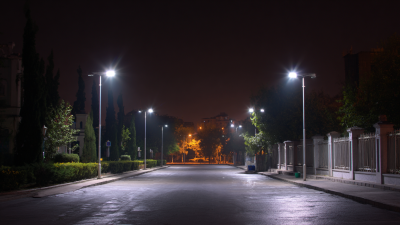
LED streetlights are designed for roads, paths, and parking areas. Their optics guide light downward, helping people see pavement edges, crossings, and parked vehicles. Spacing is important. A lighting plan should account for pole height, road width, nearby trees, and the fixture’s distribution pattern. Even so, a neat plan on paper can miss a dark patch caused by a tree that has grown over time.

LED strip lights suit narrow or detailed spaces, such as cabinet interiors, display shelves, stairs, and workshop benches. Their flexible form can follow edges that bulky fixtures cannot reach. Measure the full run before installation, and consider how the light will look on the actual surface. A cool white strip may reveal tool marks clearly, but feel stark in a small room. I would test a short section first; color and brightness can be surprisingly different in place.