
Top Block Calibrator Suppliers for Global Buyers
Global buyers comparing Block Calibrator suppliers need more than a temperature range on a brochure. Stability, display resolution, well uniformity, immersion depth, and interchangeable inserts all affect performance in real calibration work. A probe may fit the opening yet still sit too shallow for a reliable comparison. Small details matter.
For practical evaluation, EURAMET Calibration Guide No. 13, Guidelines on the Calibration of Temperature Block Calibrators, describes key influences on calibration uncertainty, including temperature distribution and sensor immersion. ISO/IEC 17025:2017 provides a framework for assessing laboratory competence; it does not, by itself, certify a calibrator or its manufacturer. Buyers should therefore distinguish instrument specifications from accredited calibration services. Request traceable calibration documentation, stated uncertainty, operating limits, and service arrangements for the destination market. Check whether the supplier can support the intended sensor types and provide suitable inserts, not merely a standard-size well. Ask how performance was tested, and under what conditions. Supplier brochures rarely tell the whole story. That is worth remembering.
This guide to top suppliers focuses on evidence buyers can compare: published technical data, calibration support, lead times, and accessible service. A high maximum temperature may look impressive, but it is not automatically the right choice. The best fit depends on the process, required uncertainty, workload, and local support. Some purchasing decisions remain imperfect; actual operating conditions can expose gaps that specifications do not. Verify the details before committing.
What Block Calibrators Are and Where They Are Used
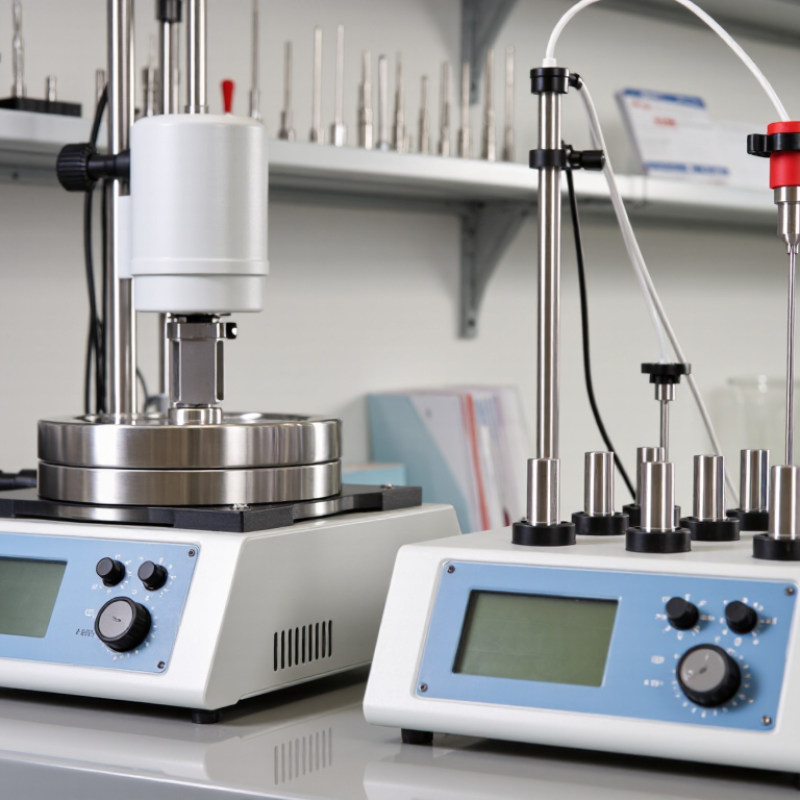
A block calibrator, also called a dry-well calibrator, creates a controlled temperature in a metal insert. A sensor is placed into a close-fitting well, where it can be compared with a calibrated reference thermometer. Unlike an oil bath, the unit uses a solid block rather than a liquid medium. It is portable, relatively clean, and often practical for checks near production equipment. A small display may show setpoint and measured temperature, but those readings do not automatically prove a sensor is accurate.
These devices are used to check thermocouples, resistance temperature detectors, and other temperature probes in laboratories and industrial settings. Technicians may use them around ovens, pipes, storage tanks, or process lines. Fit matters. A loose well, shallow insertion, or crowded block can affect heat transfer and create misleading results.
Let the temperature stabilize, use an appropriate reference, and record the conditions and readings. Easy to overlook. A block calibrator is a temperature source, not a universal solution; it cannot reproduce every operating condition, such as rapid changes or unusual sensor mounting.
Its useful range and stability vary by instrument, so buyers should match specifications to the sensors and temperatures they actually need to check.
Key Features to Compare Across Block Calibrator Suppliers
When comparing block calibrator suppliers, look beyond the stated temperature range. Check the specified accuracy, stability, and uniformity across the calibration zone. A wide range is useful only if performance remains dependable near its limits. Ask how often calibration is recommended and whether certificates identify the measurement standards used. Small details matter.
Probe access and well dimensions should match the sensors you actually test. A tight fit can slow work, while an oversized opening may affect thermal contact. Compare warm-up time, display clarity, control resolution, and the effort needed to move the unit between benches. Ask for evidence. Practical demonstrations or sample data can reveal issues that a specification sheet may not show.
Service and documentation deserve equal attention. Check whether operating manuals explain setup, safe handling, maintenance, and troubleshooting in clear terms. Confirm how repairs, replacement parts, and technical questions are handled, including typical response times. I would still question impressive figures without a stated test method; supplier data is helpful, but it needs context. Record your own acceptance checks after delivery, such as readings at several setpoints and repeat measurements after the unit stabilizes. A spreadsheet may seem less polished than a formal comparison tool, but it can expose gaps between suppliers.
How to Assess Supplier Quality, Certifications, and Support
When comparing block calibrator suppliers, ask for recent calibration records and model-specific test data. A polished brochure is not enough. Check temperature stability, uniformity across wells, and the stated measurement uncertainty. These details show how the unit performs beyond its advertised range.
Review certificates carefully. Confirm that any calibration certificate identifies the instrument, results, uncertainty, and traceability to recognized measurement standards. If a supplier cites ISO/IEC 17025 accreditation, verify that the accredited scope covers the relevant calibration work. A certificate alone can be misleading. Ask who performs calibration, how often standards are checked, and whether records follow each unit through production.
Look closely at the instrument itself. Are probe wells clearly identified? Can the supplier provide data for the insert you plan to use? Request sample reports, not only general specifications. Then test support before ordering: ask about response times, spare inserts, repair options, and help interpreting error codes. For international buyers, confirm service hours and whether technical instructions are available in a workable language. Small details matter.
No checklist catches everything. Supplier scoring can create false confidence, especially when response quality changes after payment. Keep a written record of answers, and ask one practical troubleshooting question before choosing.
Regional Sourcing Options for Global Buyers
Global sourcing for block calibrators works best when buyers compare regional strengths, not just quoted prices. Nearby suppliers can simplify shipping, communication, and replacement orders. Regional manufacturers may also understand local documentation expectations and common calibration workflows. Still, proximity alone does not guarantee consistent measurement quality.
In Europe, buyers may find suppliers experienced with traceability records and established quality systems. North American sources can offer convenient service for local laboratories and production sites. Asian manufacturing regions may provide a wider range of materials, sizes, and production volumes. Compare each supplier’s stated tolerances, surface finish, material specifications, and calibration documentation. Ask how the block is measured, what reference equipment is used, and whether the certificate identifies uncertainty and calibration date. Details matter.
A practical request can include the required dimensions, material, tolerance, operating environment, and delivery destination. For example, a steel block used on a shop floor may face different temperature changes and handling risks than one kept in a controlled laboratory. Confirm packaging, recalibration options, and response times before ordering. A polished quotation can still leave important questions unanswered. That is easy to miss. Buyers should also compare total landed cost, including freight and any local inspection needs, rather than choosing by unit price alone. When regional choices are close, request sample documentation and clarify acceptance criteria in writing.
Steps for Selecting and Purchasing from a Supplier
Top Block Calibrator Suppliers for Global Buyers
Steps for Selecting and Purchasing from a Supplier
Define the block’s intended use before requesting quotes. Record the required dimensions, material, tolerance, and working temperature. For example, a 100 mm steel block used in a controlled lab may need different checks than one used near a warm production line. Ask suppliers how they control flatness and dimensional variation. Request a sample inspection report and calibration certificate, then confirm that the certificate identifies the specific block. Clear records matter. It is easy to compare prices and overlook what the documents actually cover.
Check the supplier’s manufacturing and inspection process. Ask how measuring equipment is maintained, how results are recorded, and whether blocks are protected from corrosion during packing. Confirm lead time, packaging details, shipping terms, and what happens if an item arrives damaged or out of specification. A responsive supplier should answer technical questions plainly, not only send a polished quotation. One point buyers may underestimate is storage: even a good block can be affected by rough handling or sudden temperature changes. I would not assume every supplier explains this without being asked.
Tips: Compare like with like. Check the stated uncertainty, certificate scope, and traceability. Request a written quotation with the exact specification, delivery date, and return conditions. If details remain vague, pause before ordering.
