
How to Choose the Right Light Fixture in 2026?
Choosing the right Light Fixture in 2026 requires more than matching a shade to a room. It demands careful attention to comfort, performance, durability, and changing technology. A beautiful fixture can still create harsh glare, weak task lighting, or expensive maintenance.
Thomas E. Farin, a respected lighting designer, offered a useful principle: “Light is the first element of design; without it there is no color, form, or texture.” That idea remains practical today. In a kitchen, a pendant should illuminate the work surface without shining directly into someone’s eyes. In a bedroom, a warm, dimmable fixture may feel calmer than a bright, cool-white lamp.
Look beyond appearance. Check the fixture’s color rendering, beam angle, lumen output, dimming compatibility, and expected lifespan. Smart controls can improve convenience, but they may add complexity and future replacement costs. Sometimes, a simpler fixture is the wiser choice.
Measure the room first.
Consider ceiling height, wall color, furniture placement, and natural daylight. A reflective white ceiling can spread light, while dark wood may absorb it. I have found that product photographs often hide glare and scale. That is an easy mistake to make.
Energy efficiency matters, but efficiency alone cannot define quality. A low-wattage fixture with poor color accuracy may disappoint. Reliable selection balances visual comfort, safety, repairability, and design character. The best choice may not be the trendiest one. It should support how people actually live, work, and move through the space.
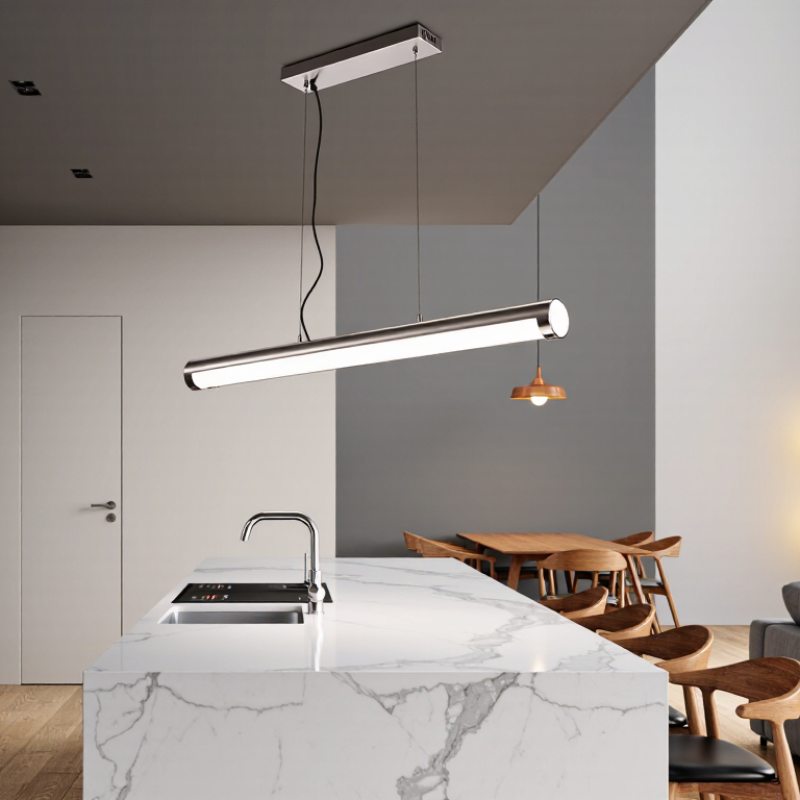
Define Your Lighting Needs, Room Function, and Visual Goals
Start with the job the light must do, not the fixture’s silhouette. In kitchens, use bright, even task light over counters; bedrooms often need softer ambient light and a separate reading beam. For a desk, keep the beam on the work surface and out of your eyes. Layering usually solves more than one oversized ceiling light. Small details matter.
Then define your visual goals: warm or crisp color, a calm ceiling, a sculptural focal point, or accurate color for cooking and dressing. Check lumens for output, beam angle for spread, and CRI for color appearance. Compare samples in the actual room, since paint and daylight change what you see. The IES Lighting Handbook treats visual comfort, tasks, and room surfaces as connected design factors. Don’t choose by wattage alone.
Efficiency belongs in the brief, too. The U.S. Department of Energy’s 2020 U.S. Lighting Market Characterization found LEDs made up about 48% of installed lighting stock. DOE Energy Saver guidance says LEDs can use up to 90% less energy and last up to 25 times longer than incandescent lamps. Still, an efficient fixture can feel wrong if glare hits a glossy counter or a pendant blocks sightlines. I may be overcautious, but mock up the placement before installation; a temporary lamp can reveal awkward shadows.
Compare Fixture Types, Light Distribution, and Mounting Options
Choosing a light fixture in 2026 means matching its shape to the task, not just the room. Recessed downlights give a clean ceiling and focused pools, while pendants bring light closer to kitchen islands or dining tables. Flush mounts suit low ceilings; wall sconces can soften harsh shadows beside a mirror. Check the fixture’s lumen output and beam spread, too. A bright bulb can still leave a desk dim if its beam misses the work surface.
Distribution changes how a room feels. Broad, indirect light helps reduce glare in living areas, while a narrower beam can highlight a reading chair or artwork. The U.S. Department of Energy’s Energy Saver guidance notes that LEDs use at least 75% less energy and last up to 25 times longer than incandescent lighting. That makes efficiency worth checking, but it does not tell you whether the light will feel comfortable. Color temperature and dimming compatibility matter. Small details count.
Mounting height can make or break the result. Hang a pendant low enough to light a table, but high enough to preserve clear sightlines. In a hallway, a protruding fixture may feel intrusive. Measure before buying, and check the ceiling box and fixture weight. I still find that room photos can mislead; actual ceiling height and furniture often change the plan. A mock-up helps. A little awkward, but useful.
How to Choose the Right Light Fixture in 2026? — Compare Fixture Types, Light Distribution, and Mounting Options
| Fixture Type | Typical Light Distribution | Common Mounting Option | Often Suited To | What to Check Before Choosing |
|---|---|---|---|---|
| Recessed Downlight | Primarily downward light. Beam spread depends on the reflector, lens, and selected lamp or integrated LED. | Recessed into a ceiling; requires a compatible housing or listed remodel/new-construction fixture. | General or accent lighting in kitchens, hallways, and living areas. | Ceiling space and insulation requirements, dimmer compatibility, glare control, and whether the beam spread suits the room. |
| Flush-Mount Ceiling Light | Usually spreads light across the ceiling and into the room; a diffuser can soften the output and reduce direct glare. | Attached directly to a ceiling junction box. | Rooms with standard or lower ceilings, such as bedrooms, entries, and utility spaces. | Fixture diameter, overall brightness, diffuser material, and clearance from doors or nearby objects. |
| Semi-Flush-Mount Light | Directs light downward and often upward onto the ceiling, depending on the shade and design. | Ceiling-mounted with a short stem or gap between the fixture and ceiling. | Bedrooms, dining areas, and entries where a hanging fixture may have insufficient clearance. | Fixture drop, ceiling height, light escaping above the shade, and the size of the room. |
| Pendant Light | Can provide focused downward light, broad ambient light, or a combination, depending on its shade and diffuser. | Suspended from a ceiling junction box by a cord, chain, or stem. | Kitchen islands, dining tables, and other areas where light is needed over a specific surface. | Suspension height, shade opening, task coverage, and clearance from people and cabinets. |
| Chandelier | Often distributes light in several directions; shades, bulbs, and decorative arms affect how much light reaches the room. | Suspended from a ceiling junction box, typically using a chain or stem. | Dining rooms, foyers, and larger spaces where the fixture can serve as a focal point. | Fixture scale, ceiling and table clearance, total light output, and whether additional room lighting is needed. |
| Track Lighting | Adjustable heads can aim light toward walls, artwork, or work surfaces; distribution varies by head and beam angle. | Track mounted to a ceiling or wall; compatible heads attach to the track system. | Flexible accent lighting, galleries, kitchens, and rooms with changing display or task needs. | Track-system compatibility, head adjustability, aiming and glare, and whether the layout provides adequate general light. |
| Wall Sconce | May direct light upward, downward, outward, or in multiple directions according to its shade and opening. | Wall-mounted to an electrical box; plug-in versions are also available. | Hallways, bedrooms, bathrooms, and accent lighting beside mirrors or artwork. | Mounting height, light direction, visibility of the lamp, and required damp- or wet-location rating. |
| Linear Surface or Suspended Light | Typically provides an elongated field of light; direct, indirect, and direct-indirect versions are available. | Surface-mounted or suspended from the ceiling, depending on the fixture. | Work areas, offices, kitchens, and long counters or tables. | Fixture length and placement, light distribution, glare control, mounting height, and task requirements. |
| Under-Cabinet Light | Directs light onto the countertop; diffusers and positioning can help limit visible bright spots and shadows. | Mounted beneath cabinets, commonly as a surface-mounted bar or tape-light system. | Kitchen counters, workbenches, and other localized task areas. | Continuous coverage, wiring or power access, dimming, heat suitability, and visibility from normal viewing positions. |
Selection note: Actual light distribution and brightness vary with the fixture’s optics, shade, lamp or LED source, room surfaces, and installation. Check product specifications and local electrical requirements before installation.
Choose the Right Size, Brightness, Color Temperature, and Color Rendering
How to Choose the Right Light Fixture in 2026?
A fixture should fit the room, not just catch your eye. Measure the room and note the ceiling height before shopping. In a dining area, choose a pendant that leaves comfortable clearance above the table. For general sizing, compare the fixture’s width with the room’s dimensions, then check how it looks alongside nearby furniture. Small room? Go modest. There is no perfect formula; a standard size can still feel too large beneath a low ceiling.
Tips: Check lumens, not just watts. Lumens describe light output; watts describe energy use. A dimmer can help adjust brightness, but make sure the fixture and bulbs are compatible.
Color temperature affects the room’s mood. Warm white, around 2700–3000K, often feels inviting in bedrooms and living rooms. Neutral light can suit kitchens and work areas. Color rendering matters too: a CRI of 90 or higher can show food, fabrics, and paint colors more naturally. Still, numbers do not tell the whole story. Wall color and daylight can change how a bulb looks, so test one in the room before buying several.
Evaluate Energy Efficiency, Smart Features, Materials, and Safety
Choose a fixture by the light it delivers, not just its listed wattage. Compare lumens for brightness and watts for energy use; efficient LED fixtures usually provide more light per watt. Numbers can mislead. A cool white tone may feel harsh above a dining table, while a warmer tone can soften the room. Check that the fixture and dimmer are compatible before buying.
Smart features are useful when they solve a real problem. Scheduling can reduce wasted lighting, and motion sensing can help in hallways. Check whether controls work without a constant internet connection and review what data the system collects. I would not pay extra for features I rarely use; that choice is easy to regret.
Materials affect appearance, maintenance, and suitability for the room. A sealed fixture rated for damp locations is a better fit near bathroom moisture than one intended for dry rooms. Check the fixture’s safety labeling and installation instructions, especially for weight, heat clearance, and ceiling support. Turn off power at the breaker before installation, and call a qualified electrician if wiring or mounting is uncertain. The right choice is not always the most stylish one. Sometimes it is the quieter fixture that fits the space safely and uses less energy.
Plan Installation, Maintenance, and Long-Term Value Before Buying
Before choosing a light fixture, check the ceiling box, wiring, and available space. A heavy fixture may need extra support, while a dimmer can require a compatible driver. Measure twice. Note ceiling height, dampness, and how easily you can reach the fixture for cleaning or repairs. These details affect installation time and future maintenance, not just appearance.
Compare total ownership costs, not only the shelf price. The U.S. Department of Energy reports that LED lighting uses at least 75% less energy and can last up to 25 times longer than incandescent lighting. Still, those figures are comparisons, not a promise about every fixture. Integrated LEDs may require replacing the whole unit if a driver fails; replaceable lamps can be simpler to service. Check warranty terms, replacement-part availability, and expected daily use. Dust trapped around a warm fixture can dull its output, so consider whether you can clean it safely. Access matters. I would not trust a payback estimate to the dollar; local electricity rates, operating hours, and installation costs vary. A modest, serviceable fixture may prove better value than a cheaper model that is difficult to repair.
How to Choose the Right Light Fixture in 2026?
Compare typical lamp lifetimes when planning maintenance and long-term value. Longer-rated life can mean fewer replacements, but actual performance depends on the product and how it is used.
Representative typical lamp-life figures; check each product’s rated life, dimmer compatibility, and installation requirements before buying. Actual life varies by product and operating conditions.
Related Posts
-
Top Industrial Lighting Trends for Modern Workspaces and Factories?
-
Discover the Best Light Home Products from China Today?
-
Revolutionizing Efficiency: The Impact of LED Lighting Solutions on Energy Consumption and Cost Savings
-
The Future of Sustainable Illumination Exploring the Benefits of LED Luminaires
-
Illuminate Your Space with Accent Lighting Ideas That Transform Your Home
-
How to Select the Best Industrial Led Lighting for Your Facility Needs