Top Glass Machine Manufacturers for Global Buyers
Choosing a Glass Machine Manufacturer is a practical decision with long-term effects on production quality, costs, and delivery schedules. A glass line may include cutting tables, edging machines, drilling equipment, and tempering or insulating-glass systems. Each machine must suit the factory’s product range, available floor space, and daily output needs.
Small details matter. A stable cutting table, for example, can affect sheet yield and rework. Not every factory needs the same level of automation. That matters.
For global buyers, comparing manufacturers means looking beyond machine price and brochure specifications. This guide considers product range, technical support, customization, installation, training, spare-parts access, and documented performance. Buyers should ask about processing tolerances, energy use, maintenance intervals, and the time required to replace common parts. Ask for clear answers. Where possible, review a live demonstration or speak with existing customers in a similar market.
A low quote may appear attractive, but shipping, commissioning, and service can change the total cost. Still, supplier claims should be checked against evidence; a polished presentation is not proof of consistent performance. A shortlist should reflect the buyer’s glass types, staffing, budget, and growth plans. No supplier fits everyone. That is worth remembering. The following overview helps buyers compare established options, identify questions for technical discussions, and make a more informed decision without treating any ranking as universal.
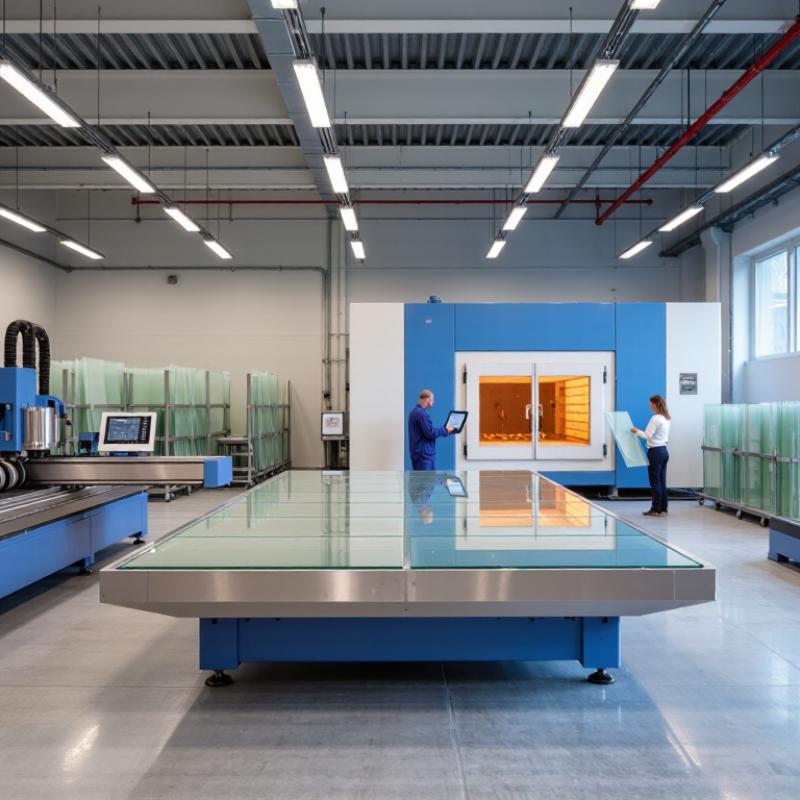
Classify Glass Machinery by Process, Including 500–1,200 t/day Float Lines
Glass machinery is easier to compare when grouped by process rather than by equipment size alone. Batch plants handle storage, weighing, mixing, and cullet delivery. Melting systems then prepare a stable glass stream for forming. Downstream equipment may include float baths, annealing lehrs, cutters, and inspection stations.
For float production, 500–1,200 tonnes per day is a broad line-capacity range, not a guarantee of saleable output. Furnace design, glass thickness, product changes, and planned maintenance all affect performance. That distinction matters. Buyers should examine how each stage connects: batch consistency influences melting, while lehr control affects cutting quality. A site layout should also allow safe access to rollers, sensors, and routine maintenance points.
When assessing manufacturers, ask for process-specific references, commissioning plans, spare-parts provisions, and measured energy data. Request operating assumptions behind quoted capacity, including cullet share and product mix. Numbers can look precise. They are not always comparable. One weakness in many project discussions is treating automation as a cure-all; operators still need clear alarms, usable process data, and practical training. Examine those details before comparing complete lines or individual machines.
Map Leading Manufacturers Across Key Glass-Processing Equipment Segments
A useful map of glass-processing equipment makers starts with the work each machine performs. Cutting systems score and separate large sheets, while edging lines grind and polish exposed sides. Tempering furnaces control heat and cooling to strengthen glass. Laminating equipment bonds layers with an interlayer, and insulating-glass lines assemble sealed units. These are distinct capabilities, not interchangeable product labels.
For global buyers, compare manufacturers within each segment before comparing complete production lines. Check sheet dimensions, thickness ranges, line speed, changeover time, and stated tolerances. Ask for process samples and references from facilities handling similar glass types. A furnace specification may look strong on paper. Real output depends on loading patterns, controls, and operator training, too. Details matter.
A practical supplier map should also note service coverage, spare-parts lead times, installation support, and language options for technical documents. Request clear information on energy use, maintenance intervals, and safety features, then verify it during a factory or site review when possible. Regional availability can affect delivery and support, but proximity alone does not prove suitability. A tidy comparison table can still hide gaps; buyers should record unanswered questions and test assumptions before selecting equipment.
Compare Equipment Compliance with EN 12150, EN 14449, and ISO 12543
For global buyers, EN 12150, EN 14449, and ISO 12543 describe glass products, not machine certification. EN 12150 covers thermally toughened soda-lime silicate safety glass; EN 14449 and the ISO 12543 series address laminated glass. A machine supplier should explain how its line helps produce glass that meets the relevant requirements. Ask for process records, calibration evidence, and independent test reports—not just a compliance claim.
For toughening, inspect furnace temperature uniformity and quench control. For laminated glass, check interlayer handling and whether the autoclave records temperature, pressure, and cycle time. These details matter. A useful trial includes samples from the buyer’s own glass, followed by testing against the intended standard. The European Commission’s Glass Manufacturing BREF identifies energy use as a key process concern. The IEA’s 2023 industry tracker estimates that industry accounts for about 37% of global final energy demand, making stable thermal control relevant to both quality and operating costs.
Still, paperwork can mislead. A polished certificate does not prove every recipe performs consistently. Compare documented process windows, traceability, and test results across thicknesses and product types. Ask what happens when a batch shows roller marks, edge defects, or uneven fragmentation. The answer reveals more than a brochure.
Benchmark Suppliers by Throughput, Yield, Energy Use, and Uptime
Compare glass machine suppliers using the same product, shift length, and operating conditions. Brochure speed is only a starting point. Record accepted units per hour, including changeovers and planned stops. A line rated for 1,200 pieces per hour may deliver less when operators switch formats or remove flawed items. Measure the difference.
Yield needs equal care. Track first-pass yield separately from reworked output, and classify defects such as chips, bubbles, or dimensional variation. A high unit count can hide costly rejects. Energy use should be measured in kilowatt-hours per saleable unit, not just per operating hour. Include heating, compressed air, cooling, and idle periods where practical. Small omissions distort the comparison.
Uptime figures are useful only when suppliers define them clearly. Ask whether maintenance windows, material shortages, and brief stoppages count as downtime. Review service logs, spare-parts lead times, and recovery after a fault; a fast repair matters more than a polished uptime percentage. No metric is perfectly clean. Even a controlled trial may not reflect a busy plant, so buyers should document assumptions and revisit results after installation. A minor inconsistency in test conditions can change the ranking.
Select Global Vendors by Total Cost, Service Coverage, and Spare-Parts Access
For global buyers, the purchase price is only one part of a glass machine’s cost. Ask vendors to itemize installation, operator training, freight, commissioning, and routine maintenance. A low quote can become expensive if a technician must travel across borders for a simple adjustment. Request a sample service schedule and clarify which support tasks are included.
Service coverage should be specific, not just a map with many regions marked. Find out where technicians are based, what languages they support, and how quickly they typically respond. Ask who handles remote diagnostics and whether support is available during your production shifts. That matters. A detailed answer is more useful than a broad promise, though response times can still vary during busy periods.
Spare-parts access deserves the same scrutiny. Request a recommended parts list for the first two years, with prices, lead times, and shipping options. Check whether wear items, sensors, and control components are stocked locally or shipped from a central warehouse. Confirm part numbers and documentation before signing. A small stock of critical components may prevent a long production stoppage, but stocking too much ties up cash. Not always. Compare the vendor’s estimates with your own maintenance records, and leave room for uncertainty; real usage rarely matches a perfect forecast.