Best Sludge Sensor for Wastewater Treatment in 2026
Choosing the best Sludge Sensor for wastewater treatment in 2026 is less about finding a single winning model and more about matching measurement needs to site conditions. A sensor beside an aeration basin may face changing solids concentrations, air bubbles, deposits, and routine washdowns. Small installation details matter. A poorly placed probe can produce readings that look precise but do not represent the process.
This guide compares practical factors, including measurement range, accuracy, response time, cleaning requirements, and compatibility with existing controls. It also considers how optical and other sensing approaches may perform in different sludge conditions. There is no universal answer. A municipal plant with stable flows may prioritize different features than an industrial facility with frequent process changes. Operators should review product specifications, calibration procedures, and service support, then verify performance under actual operating conditions.
Reliable measurements can help staff monitor settling, adjust sludge handling, and identify unusual process changes. But a sensor does not make decisions for the plant. Readings need context, maintenance, and occasional comparison with laboratory or reference measurements. That sounds simple. It rarely is. Even a well-designed instrument can drift, foul, or be installed in an unrepresentative location. The following sections outline what to check before selecting a sensor, so buyers can weigh manufacturer claims against the realities of their own wastewater treatment process.
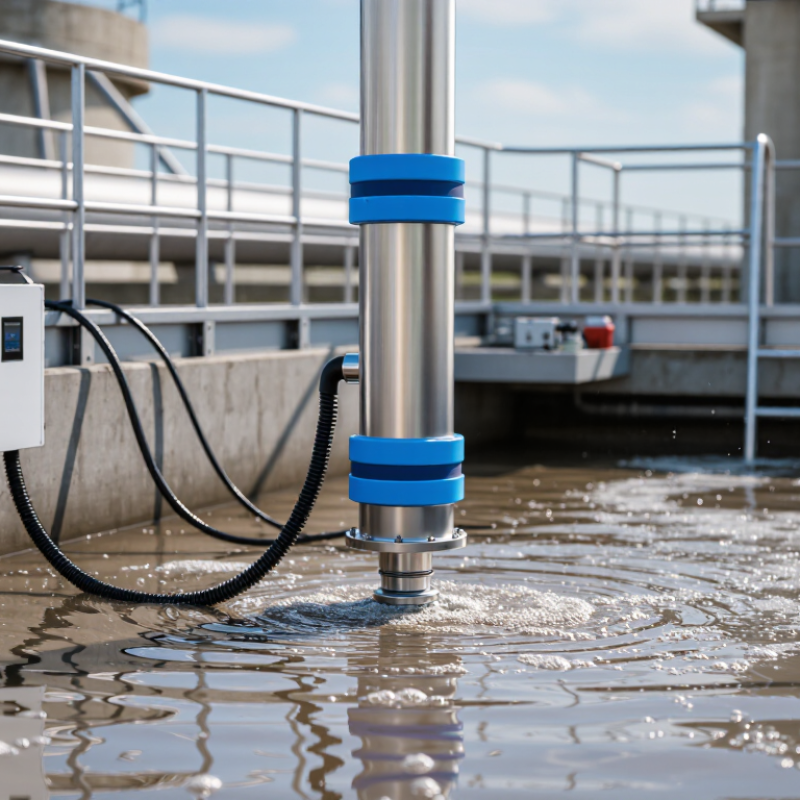
What Sludge Sensors Measure in Wastewater Treatment
What Sludge Sensors Measure in Wastewater Treatment
In a clarifier, a sludge sensor commonly measures the distance to the sludge blanket, the layer where settled solids meet clearer water. Operators use that level to judge when sludge may need to be withdrawn. A rising blanket can signal that solids are accumulating faster than the system is removing them. The sensor reports an interface, not the total mass of sludge in the tank.
Some instruments measure suspended-solids concentration instead. Optical sensors estimate solids from how particles scatter or absorb light; acoustic methods use changes in sound transmission. These readings can help track thickening or compare conditions across a process stage. Not quite the same. A concentration reading and a blanket-depth reading describe different things, so one should not be treated as a substitute for the other.
Real tanks are messy. Air bubbles, floating scum, uneven surfaces, and heavy mixing can disturb a reading. A sensor may also respond differently as sludge characteristics change. For a useful check, compare its trend with a manual sample or a known operating condition, especially after maintenance. One isolated number rarely tells the whole story. Even experienced operators can over-trust a clean-looking display during a busy shift.
How Different Sludge Sensor Technologies Work
Sludge sensors do not all measure the same thing. An ultrasonic blanket sensor sends sound pulses into a tank and detects echoes from changes in density. The time and strength of each echo help estimate the sludge-water interface. Air bubbles, foam, and mixer turbulence can scatter sound, so placement matters. Check the tank profile.
Optical sensors use light. They measure how much light particles scatter or absorb, which helps estimate suspended-solids concentration. They are useful for tracking changes in a sample stream, but dark particles, fibers, and dirty sensor windows can shift readings. Hydrostatic systems measure pressure at selected depths and use pressure differences to estimate sludge levels. Their results depend on sensor position and calibration. None is foolproof. Compare sensor readings with periodic manual checks, especially after a process change. A reading that looks precise can still be wrong if buildup, bubbles, or changing sludge characteristics go unnoticed.
Best Sludge Sensor for Wastewater Treatment in 2026
How different sludge sensor technologies work—and the solids concentrations commonly encountered across treatment stages.
How to read the chart: Bars show indicative total-solids ranges in grams per liter (g/L), not sensor accuracy or guaranteed operating limits. Actual concentrations vary with plant design and operating conditions.
Sensor technologies: Optical sensors estimate solids from light absorption or backscatter; ultrasonic sensors use sound transmission or scattering; microwave sensors respond to dielectric properties; hydrostatic sensors measure pressure to estimate sludge blanket level. Optical, ultrasonic, and microwave instruments can estimate concentration, while hydrostatic sensors primarily track level.
Key Criteria for Choosing a Sludge Sensor in 2026
Best Sludge Sensor for Wastewater Treatment in 2026
Choosing a sludge sensor starts with the measurement task. Do operators need continuous sludge-blanket depth, solids concentration, or both? These measurements are not interchangeable. A clarifier with changing flows may need reliable level tracking, while a thickener may require concentration data for process control.
Check how the sensor handles the actual tank conditions. Suspended solids, bubbles, scum, and uneven mixing can affect readings. Ask about measurement range, response time, and how the device distinguishes the sludge interface from stray reflections. Installation matters, too. A sensor mounted near a wall, scraper, or inlet may produce misleading results. Small details count.
Think about maintenance before purchase. Can staff reach the sensor safely for cleaning? Does it need frequent calibration, and can its output connect to the plant’s control system? Materials should suit the wastewater’s temperature and chemistry. No sensor is perfect. Even a promising specification sheet cannot predict every site condition. Compare readings with manual checks and laboratory samples during a field trial. That extra work may reveal drift, blind spots, or mounting issues before the device becomes part of routine operations.
Comparing Sensor Types Across Wastewater Applications
Choosing a sludge sensor means matching its measurement to the process, not selecting the most elaborate probe. Ultrasonic blanket-level sensors track the settling interface in clarifiers. They help operators detect a rising sludge blanket before solids spill into the effluent. Optical or infrared suspended-solids probes are useful in return-activated-sludge lines, where concentration readings can guide wasting adjustments. Bubbles, ragging, and probe fouling can still distort results. No sensor is maintenance-free.
Application conditions matter. For dense digester sludge, microwave or density-based instruments may be worth evaluating when optical readings become unreliable. Yet pipe geometry, calibration, and cleaning access can matter as much as sensor type. The U.S. EPA’s 2022 Clean Watersheds Needs Survey estimated $630.1 billion in wastewater, stormwater, and related infrastructure needs over 20 years. That estimate is not a sensor budget; it underscores the value of dependable process monitoring. A practical weakness remains: plants sometimes compare sensor readings without checking them against manual samples. A small verification routine can reveal drift before operators make costly process adjustments.
Installation, Calibration, and Maintenance for Reliable Readings
Best Sludge Sensor for Wastewater Treatment in 2026
Reliable sludge readings begin with careful installation. Mount the sensor where flow represents the tank, away from inlet turbulence and scraping equipment. Check that the sensing face stays submerged across normal level changes. A bracket that shifts during cleaning can quietly distort readings. Small details matter. Follow the sensor’s installation instructions, since measurement methods and acceptable mounting angles vary.
Tips: Clean the sensing surface before calibration, then compare its reading with a known process sample or an approved reference method. Record the date, tank location, and any adjustment. Keep it simple. If readings drift after cleaning, inspect for trapped air, coating, or a loose mount before changing settings.
Calibrate under stable process conditions, not during a rapid flow or solids change. Use the correct reference material and procedure for the instrument. A mismatch can create confident-looking but poor data. Maintenance should follow the site’s fouling rate: inspect more often when grease, fibers, or grit build up quickly. Rinse deposits gently, and avoid scraping sensitive surfaces unless the manual allows it. Review trends alongside operator observations; no sensor replaces a check of the actual process. One practical limitation is easy to overlook: a clean sensor can still report an unrepresentative spot. Recheck placement when readings repeatedly disagree with settling behavior.