2026 Best Safety Contactor for Industrial Use?
Choosing the 2026 best Safety Contactor for industrial use is not a brand contest. The right device must fit the machine’s risk assessment, control architecture, and operating conditions. A compact unit may suit a small packaging line, while a dusty, high-cycle press may need different ratings and diagnostics. Check coil voltage, rated current, switching frequency, auxiliary contacts, and feedback-monitoring compatibility. Small details matter.
Safety-science expert Erik Hollnagel writes, “Safety is the ability to succeed under varying conditions.” His principle is broader than contactor selection, but it offers a useful reminder: equipment must perform reliably amid real operating changes. A Safety Contactor should be evaluated within the complete safety function, not as an isolated component. Confirm its specifications against the machine design, manufacturer documentation, and applicable standards. Then verify installation and operation through qualified engineering review.
A neat comparison table can help. It cannot replace application-specific checks. Temperature, vibration, fault-detection needs, and maintenance access may change the decision. There is no universal winner. This guide will compare practical selection criteria, common product features, and questions worth asking suppliers in 2026. Some specifications look similar on paper; their suitability may differ in service. That distinction deserves a closer look.
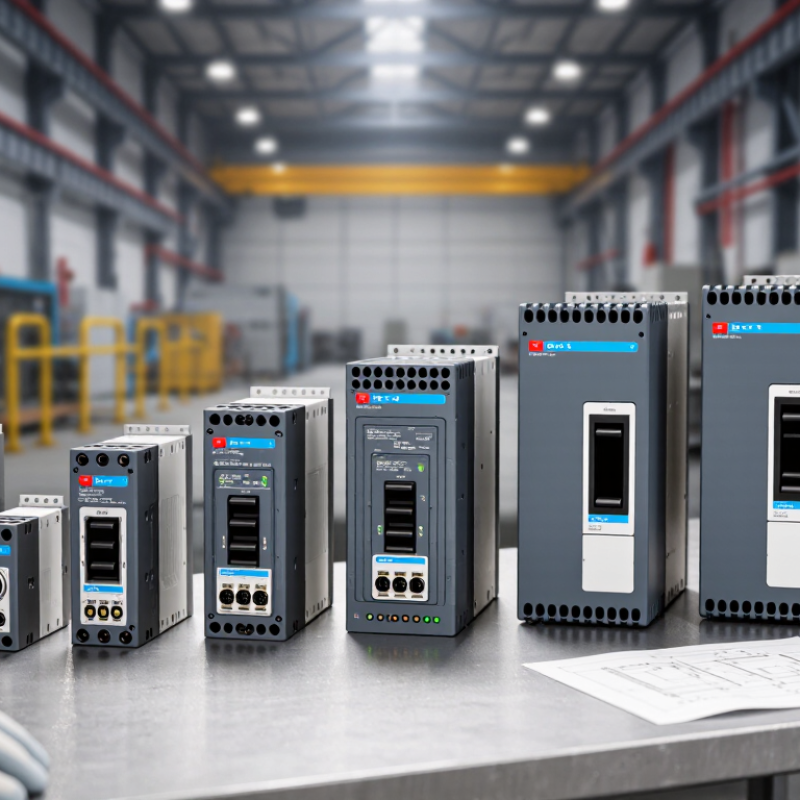
What Is an Industrial Safety Contactor?
An industrial safety contactor is an electrically controlled switch used to disconnect power to machinery when a safety circuit calls for a stop. In normal operation, its coil closes the main contacts, allowing current to reach a motor or other load. When an emergency stop or protective interlock is triggered, a safety relay or controller removes coil power, opening the contacts. Some designs provide mechanically linked mirror contacts, allowing the control system to check whether the main contacts actually opened. That distinction matters. A contactor alone cannot guarantee a safe stop.
Selection depends on the load, switching frequency, operating environment, and required fault monitoring. IEC 60947-4-1 covers electromechanical contactors and motor starters, providing a technical reference for evaluating equipment. The U.S. Bureau of Labor Statistics reported 5,283 fatal work injuries across all industries in 2023. That figure does not measure contactor performance, but it is a reminder that machine safeguards deserve careful design. A practical review should consider how the contactor works with the safety controller, whether welded contacts can be detected, and how the system will be tested. Specifications can look reassuring on paper; the installed circuit may still reveal gaps.
How Does a Safety Contactor Protect Industrial Equipment?
A safety contactor protects industrial equipment by disconnecting hazardous power when a safety circuit detects danger. An open guard, pressed emergency stop, or detected fault can de-energize its coil. The main contacts then separate, cutting power to a motor, pump, or heater. This interruption can limit motion, heat, and damage after an unsafe condition appears. It is a physical switch. Not a complete safety system. On a conveyor, a guard interlock can command the contactor to drop out before someone reaches a moving belt. This helps stop the belt.
Higher reliability often comes from redundant contactors and monitored feedback, rather than one device alone. Auxiliary mirror contacts can tell a safety controller whether the main contacts opened as expected. If contacts weld, feedback may prevent a restart until the fault is corrected. Details matter. Choose a contactor for the motor load, switching frequency, coil voltage, and available fault protection. A unit selected only by nominal current may wear early under frequent starts. Loose terminals can create heat, and poor wiring can defeat monitoring. Field conditions are rarely as neat as a wiring diagram suggests. A contactor cannot make an unsafe machine safe by itself; its function depends on risk assessment, compatible controls, correct wiring, and regular testing. Record test results, and verify that power is removed where intended—not merely that a status light changes.
Which Standards and Ratings Guide Safety Contactor Selection?
A safety contactor should be selected against the machine’s safety function, not just its motor current. Start with the risk assessment and required performance level or safety integrity level. ISO 13849-1 and IEC 62061 provide frameworks for designing and evaluating safety-related control systems. IEC 60204-1 addresses electrical equipment on machinery. Confirm which standards and editions apply to the installation.
Check the contactor’s rated operational voltage and current, utilization category, coil voltage, and permitted switching frequency. AC-3 ratings, for example, relate to starting and switching squirrel-cage motors; they do not describe every duty. Review short-circuit coordination, electrical and mechanical life, ambient temperature, and enclosure conditions. A contactor alone does not guarantee a safe system. Its feedback contacts and monitoring arrangement must suit the control architecture.
Tips: Compare the datasheet with the actual load and fault protection. Verify ratings at the expected operating temperature. Check the required mirror-contact or mechanically linked-contact documentation. A neat table can still hide an unsuitable duty. Site conditions matter.
Allow for the real operating pattern: frequent starts, long cable runs, or a warm cabinet can change component performance. Confirm that the selected contactor’s characteristics support the required safety function, then validate the complete circuit. Selection is rarely tidy; assumptions about load or fault current may need another look before approval.
How to Compare Safety Contactors for Industrial Use in 2026
2026 Best Safety Contactor for Industrial Use?
How to Compare Safety Contactors for Industrial Use in 2026
Compare safety contactors by their actual task, not just their headline current rating. Check rated operational current at the intended voltage, motor duty, switching frequency, and expected electrical life. Confirm that mirror contacts meet IEC 60947-4-1 requirements where your safety design needs feedback. Then verify coil voltage, available terminals, mounting space, and compatibility with the safety relay or controller. Small details matter. A contactor that fits the panel may still be unsuitable for frequent switching or a hot enclosure.
The U.S. Bureau of Labor Statistics recorded 145 fatal work injuries involving exposure to electricity in 2022, in its Census of Fatal Occupational Injuries. That figure covers many hazards; it does not measure contactor performance. It does underline why component selection, wiring, and validation deserve careful review. Compare documented electrical and mechanical endurance, short-circuit coordination requirements, and manufacturer test conditions. Ask for the exact data sheet and test evidence. A neat comparison table can still miss the conditions on your factory floor.
Tips: Test the feedback circuit during commissioning, and record the result. Check contactor temperature after a representative production run. Don’t rely on a catalog rating alone. Reassess the selection when the motor, duty cycle, or enclosure changes.
How to Install, Test, and Maintain a Safety Contactor
A safety contactor is only as dependable as its installation and feedback circuit. Mount it securely inside a suitable enclosure, then check the wiring diagram and rated coil voltage before connecting conductors. Isolate the supply and follow the site’s lockout procedure; a dark panel is not proof of safe isolation. Use a qualified technician for installation. Small details matter.
After wiring, inspect terminal connections, protective devices, and auxiliary contacts. Connect the contactor to the safety relay or controller as designed, including feedback monitoring where specified. Test emergency stops and guard switches under controlled conditions. Confirm that the contactor drops out, hazardous power is removed, and the system cannot restart until a deliberate reset. No shortcuts here. Never bypass a safety device to make a test easier.
For maintenance, isolate power before opening the enclosure. Look for cracked insulation, dust buildup, heat discoloration, loose conductors, or unusual odors. Compare contact wear and operating cycles with the manufacturer’s service information; replace components when inspection criteria require it. Record each test and any corrective work. Checklists can feel repetitive, but skipped records make gradual changes harder to spot. If results are inconsistent, stop operation and investigate rather than assuming the next cycle will be fine.
2026 Best Safety Contactor for Industrial Use?
How to Install, Test, and Maintain a Safety Contactor
Common AC control-coil voltage ratings are shown for reference. Availability varies by model and region; always match the coil voltage and frequency to the equipment nameplate and control circuit. Installation, functional testing, and maintenance should follow the manufacturer’s instructions and applicable safety procedures.